

Quick answer
Santa Ponsa sea temperature averages 14°C in February and March, climbing to 27°C in August. Water becomes comfortable for most swimmers by late May when temperatures reach 20°C, remaining above 23°C from June through September. The Mediterranean's thermal lag means autumn water stays warmer than spring water at equivalent air temperatures, with October often more pleasant for swimming than May.
The Mediterranean at Santa Ponsa warms more slowly than the air above it, creating a thermal lag that shapes the swimming season. In April, when resort restaurants open their terraces and tourists arrive for the first wave of spring bookings, the sea still hovers around 16°C—tolerable for a quick dip but cold enough to discourage extended swimming. By contrast, October maintains water near 23°C even as evening air temperatures drop, making early autumn one of the beach's most comfortable periods. Peak warmth arrives in August, when Santa Ponsa water temperature reaches its annual maximum of 27°C. July follows closely at 26°C, while September holds steady at 25°C. These three months define the core swimming season, when even heat-sensitive swimmers find the water inviting. June marks the threshold at 23°C—the point where most visitors transition from tentative wading to full immersion. The warmest morning hours, between 09:00 and 11:00, offer an ideal window before midday crowds arrive and surface temperatures peak. Winter transforms the beach into a different environment entirely. January and February bottom out near 14°C, attracting only the most committed cold-water swimmers and wetsuit-clad paddleboarders. March begins the slow ascent, but at 15°C the water remains brisk. April's 16°C and May's 19°C represent transitional temperatures—adequate for adventurous swimmers but not yet comfortable for the average beachgoer. The six-month plateau from May through October, when water stays above 19°C, defines Santa Ponsa's practical beach season. Local currents and shallow coastal topography create minor temperature variations across the bay. The southern end near the rocky headland tends to run half a degree cooler due to deeper water, while the central beach zone captures more solar heating in its sandy shallows. Morning swimmers encounter water one to two degrees cooler than afternoon visitors, though this difference narrows during the height of summer when overnight cooling diminishes. These micro-patterns matter less than the broader seasonal arc, but regular visitors learn to exploit them—choosing early swims in August to escape both heat and crowds, or seeking the warmest patches in May when every degree counts.
“October maintains water near 23°C even as evening air temperatures drop, making early autumn one of the beach's most comfortable periods.”
Understanding Santa Ponsa Sea Temperature by Season
The optimal period for swimming in Santa Ponsa occurs from June to September, when sea temperatures reach their annual peak between 23°C and 26°C. Combining these warmer months with the recommended arrival window of 09:00–11:00 ensures the most comfortable conditions before the daily heat and visitor density increase.
June to September
HighWarm water (23°C–26°C)
The sea reaches peak warmth, ideal for extended swimming sessions.
May and October
ModerateCooler water (19°C–22°C)
Water temperatures are refreshing for those who prefer cooler conditions.
Winter months
LowCold water (14°C–16°C)
Sea temperatures are significantly lower, limiting swimming to brief sessions or wetsuit use.
Daily Mornings
Low—
Arrival between 09:00–11:00 provides the calmest water and fewest crowds.
Verdict: For the best balance of warm sea temperatures and manageable visitor numbers, visit between June and September, arriving during the 09:00–11:00 window.
Geographical Facts About Santa Ponsa Sea Temperature
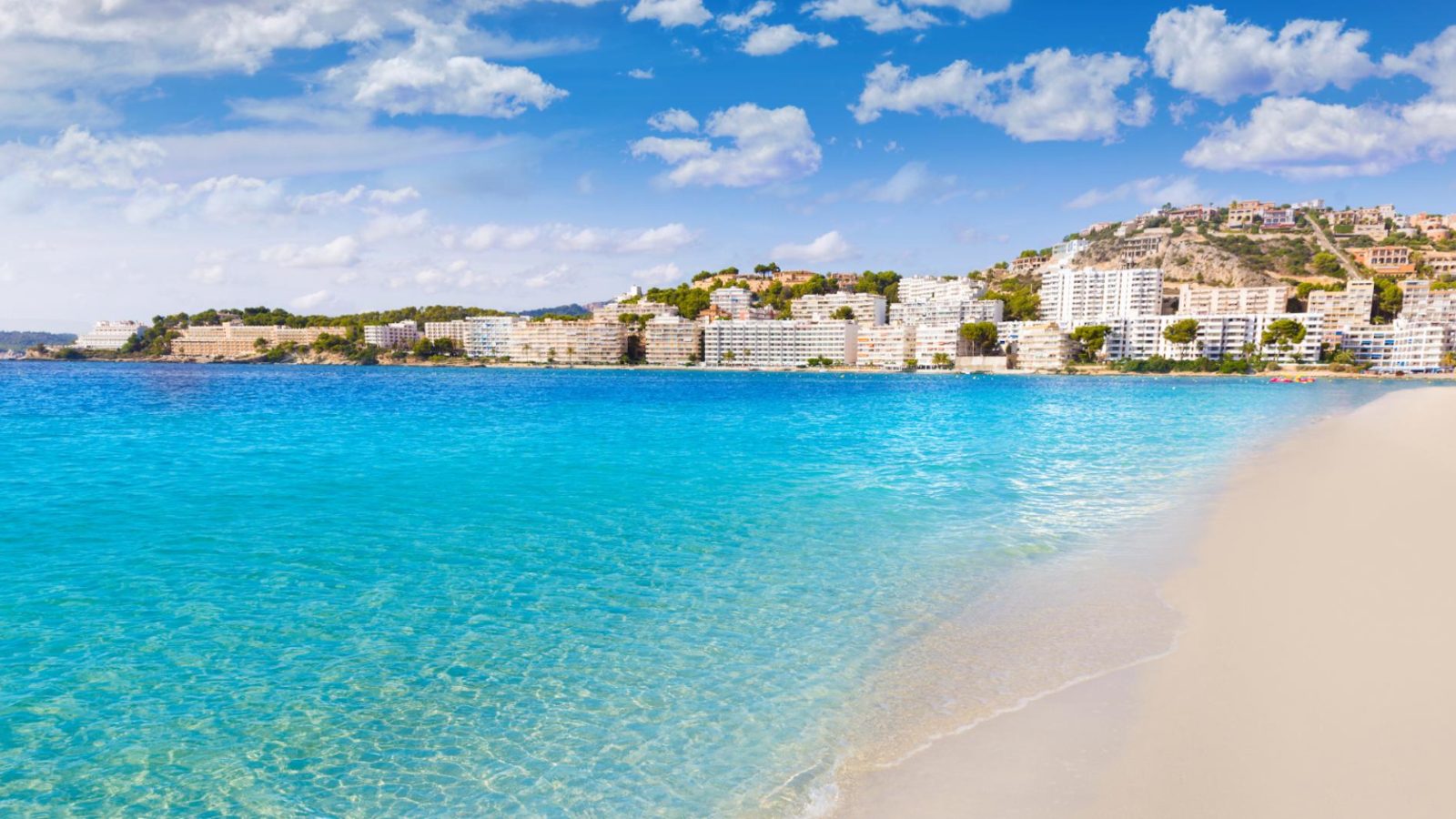
The Playa de Santa Ponsa bay features specific geographical characteristics that regulate its water temperature and marine environment. These natural factors create a stable maritime setting for those exploring the coastline by boat.
500 meters of sheltered coastline
The beach is set within a deep, elongated bay that protects the water from strong open-sea currents. This natural shelter helps maintain more consistent surface temperatures compared to exposed rocky coasts.
Shallow seabed gradient
The bay features a gradual, shallow depth profile as one moves away from the shoreline. This shallow water heats more efficiently under solar radiation, creating a warmer swimming environment near the beach.
Bay orientation towards the south
The cove faces south, which maximizes direct sun exposure throughout the day. This orientation contributes to the gradual warming of the water mass during daylight hours.
Limited tidal influence
The Mediterranean Sea experiences a relatively small tidal range in this region. This minimizes the influx of colder deep-ocean water, keeping the bay's temperature variations primarily driven by local weather and sun exposure.
Calm water conditions
Because the bay is surrounded by rocky headlands, wave energy is significantly reduced before reaching the sand. Lower wave action reduces the mixing of warmer surface water with deeper, colder layers.
Protection from prevailing winds
The surrounding landmasses act as a buffer against common northern winds. This reduced wind exposure limits surface cooling and helps preserve the heat gained by the water during the day.
Pre-Visit Checklist for Santa Ponsa Sea Temperature Comfort
Pack according to the season and your cold tolerance to stay comfortable in Santa Ponsa's waters.
-
Bring reef-safe sunscreen (SPF 50+) — The Mediterranean sun reflects off water, intensifying UV exposure even in cooler months.
-
Pack a rash guard or wetsuit top — Water below 20°C can feel chilly during extended swimming, especially in spring and autumn.
-
Wear water shoes with grip — Rocky entry points and occasional sea urchins make barefoot swimming risky year-round.
-
Carry a microfiber towel — Quick-drying fabric is essential if you plan multiple swims or boat trips in one day.
-
Pack a windbreaker or light jacket — Morning and evening breezes can feel cold when you're wet, even in summer.
-
Bring a reusable water bottle — Staying hydrated helps regulate body temperature, particularly during midday heat when water feels warmest.
Check availability
Frequently Asked Questions About Santa Ponsa Sea Temperature
Everything you need to know about santa ponsa sea temperature